Understanding the Essence of Thai Cuisine
Thai cuisine is a dynamic tapestry of flavors, techniques, and cultural significance, coalescing to create one of the most celebrated culinary traditions in the world. Renowned for its vibrant taste combinations and aromatic dishes, Thai food captures the attention of both local and international diners. As we delve into the captivating world of Thai gastronomy, we invite you to explore the offerings at kinalyrestaurant.com, a treasure trove of authentic flavors and experiences.
What Defines Authentic Thai Dishes?
Authenticity in Thai cuisine hinges on the balance of flavors: sweet, sour, salty, bitter, and umami, each playing a vital role in the culinary equation. Dishes such as Pad Thai and Tom Yum illustrate this essence by combining contrasting flavors and ingredients harmoniously. Authenticity is also embodied in traditional cooking methods and regional specialties, showcasing Thailand's diverse culinary landscape.
Key Ingredients and Their Significance
The hallmark of Thai cooking lies in its foundational ingredients, which include herbs, spices, and fresh produce. Ingredients like lemongrass, galangal, and kaffir lime leaves contribute to the unmistakable aroma of Thai dishes. Moreover, the use of fish sauce and tamarind paste provides depth and complexity. Understanding these ingredients is crucial for anyone looking to capture the authentic essence of Thai cooking.
Current Trends in Thai Gastronomy
As we move through 2026, the culinary landscape continues to evolve, and Thai cuisine is no exception. Emerging trends are reshaping traditional dishes while also introducing innovative twists that appeal to modern palates. From the resurgence of ancient grains to the use of local, sustainable ingredients, Thai chefs are pushing the boundaries of gastronomy.
Emerging Ingredients in 2026
Food enthusiasts can expect to see a rise in the use of unique ingredients such as quinoa and alternative protein sources in Thai dishes. Chefs are increasingly incorporating these elements while maintaining the traditional essence of Thai cuisine. This trend not only caters to health-conscious diners but also reflects a growing movement towards sustainability in the culinary world.
Fusion Cuisine: Blending Thai with Global Flavors
The globalization of cuisine has led to cross-cultural culinary fusions that blend Thai cooking with other global flavors, creating exciting new dishes. For instance, Thai tacos featuring spicy minced meat and cilantro-infused sauces exemplify how traditional Thai elements can be melded with other cuisines. This fusion not only attracts a broader audience but also showcases the versatility of Thai flavors.
Health Conscious Eating and Thai Food
In an era where health-conscious eating is at the forefront of dining trends, Thai cuisine offers a plethora of options. Dishes that emphasize fresh vegetables, lean proteins, and aromatic herbs align perfectly with nutritious dining. The emphasis on fresh, locally sourced ingredients makes Thai food not only delicious but also a healthy choice.
Culinary Techniques Used in Thai Cooking
The art of Thai cooking involves various culinary techniques that enhance the flavors and textures of each dish. Traditional methods are passed down through generations, while modern adaptations are continuously embraced by chefs.
Traditional Methods: Steaming, Stir-Frying, and More
Steaming is a valued technique in Thai cuisine, preserving nutrients and highlighting the natural flavors of ingredients. Stir-frying, on the other hand, allows for quick cooking at high temperatures, locking in flavors and achieving the perfect texture. Mastery of these techniques is essential for anyone aspiring to recreate authentic Thai dishes at home.
Modern Techniques in Thai Restaurants
With the advent of technology, modern Thai restaurants are adopting innovative cooking techniques such as sous-vide. This method allows for precise temperature control, resulting in perfectly tender proteins and enhanced flavors. Chefs are also experimenting with molecular gastronomy, introducing new textures and presentations that intrigue and delight diners.
Preparing a Perfect Thai Meal at Home
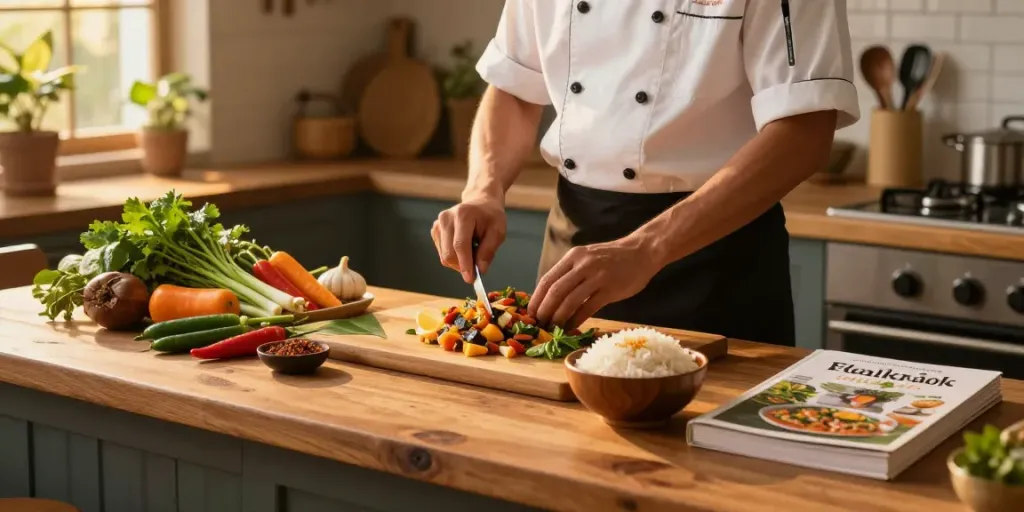
Creating an authentic Thai meal at home can be a rewarding experience. Start by sourcing quality ingredients, such as fresh herbs and spices, which are crucial for replicating the robust flavors found in traditional Thai dishes. Following authentic recipes and embracing fundamental techniques will ensure a successful culinary adventure.
The Importance of Presentation and Dining Experience
Thai cuisine is not only about taste; presentation plays a vital role in the overall dining experience. The visual appeal of a dish can significantly enhance its enjoyment, inviting diners to relish the meal with their eyes before tasting it.
Visual Appeal in Thai Cuisine
Vibrant colors, intricate garnishing, and thoughtful plating are hallmarks of Thai presentation. Dishes often incorporate elements that add visual interest, from carved vegetables to bright sauces. This meticulous attention extends to all aspects of dining, creating a feast for the senses.
Cultural Significance of Dining Rituals
Dining in Thailand goes beyond consuming food; it is a social event steeped in cultural rituals. Meals are often shared family-style, emphasizing communal eating and the significance of togetherness. Understanding these customs enhances the appreciation of Thai cuisine and its culinary culture.
Creating an Inviting Ambiance in Restaurants
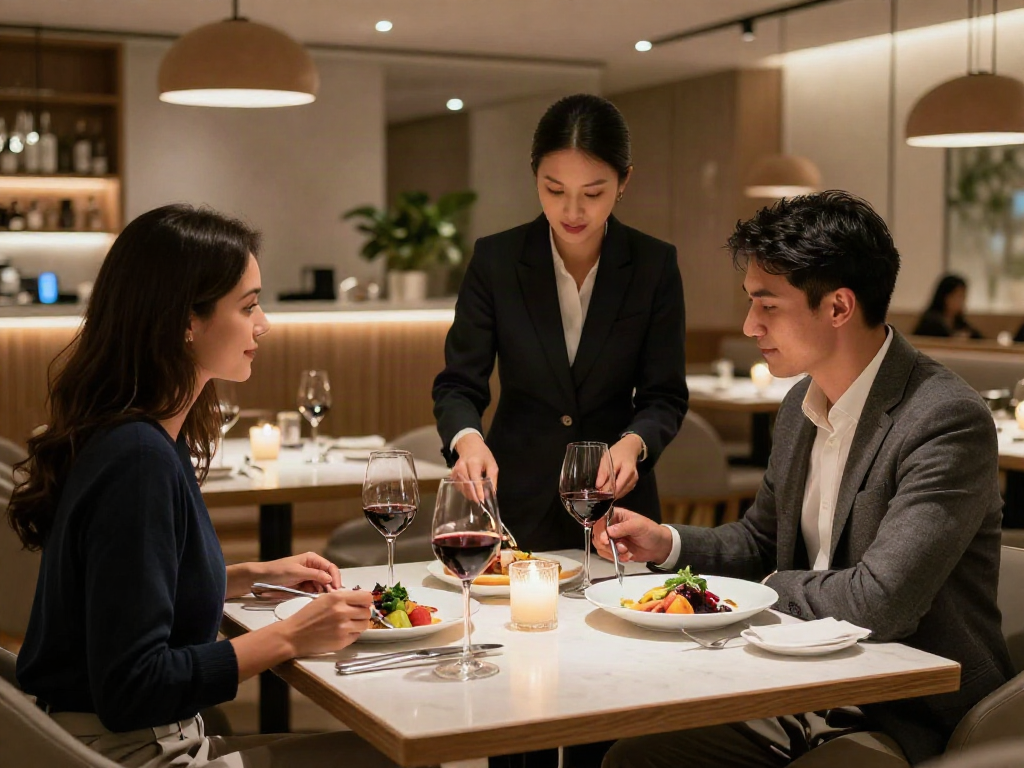
A well-designed restaurant ambiance can significantly impact the dining experience. Thai restaurants often embrace traditional Thai decor elements—such as wooden sculptures and warm lighting—to create an inviting atmosphere. This attention to detail helps transport diners to Thailand, enriching their culinary journey.
Looking Ahead: The Future of Thai Cuisine
The future of Thai cuisine looks promising, with exciting developments on the horizon. As trends evolve, so too does the approach to traditional dishes, ensuring that Thai food remains relevant in an ever-changing culinary landscape.
Predictions for Thai Food Trends in 2026
As we anticipate the culinary innovations of 2026, expect an increased focus on plant-based dishes that cater to environmentally conscious diners. The incorporation of local and seasonal ingredients is likely to gain momentum, aligning with global sustainability initiatives.
Adapting to Dietary Preferences and Restrictions
Thai cuisine is naturally adaptable, making it easier to accommodate various dietary preferences and restrictions. Many traditional dishes can be modified to be gluten-free, vegetarian, or vegan without losing their authentic flavor profiles. This versatility will continue to appeal to a wider audience in the coming years.
How Technology is Shaping Thai Food Experience
Technology is revolutionizing the dining experience, from online reservations to food delivery services. Thai restaurants are leveraging these innovations to enhance customer convenience and streamline operations. Additionally, social media platforms are becoming powerful tools for showcasing culinary artistry and attracting diners.
What are the Top Thai Menu Questions?
- What are essential Thai ingredients to have at home?
- How can I make Thai curry more authentic?
- What are the differences between various Thai noodle dishes?
How to Experience Authentic Thai Dining?
To fully immerse oneself in authentic Thai dining, seek out restaurants that prioritize traditional techniques and ingredients. Engage with knowledgeable staff who can guide you through the menu, and don't hesitate to explore lesser-known dishes that showcase regional specialties.
What are the Best Beginner Thai Recipes?
- Pad Thai: A classic stir-fried noodle dish.
- Tom Yum Goong: A flavorful hot and sour shrimp soup.
- Green Curry: A fragrant and vibrant curry dish.
Why is Thai Food So Popular Worldwide?
The universal appeal of Thai food is rooted in its distinctive flavors, fresh ingredients, and rich aromas. Its ability to cater to diverse tastes while remaining deeply rooted in culture has made it a favorite among global diners. This popularity will likely continue to grow as more people seek authentic culinary experiences.